

Hemorrhoid Diet
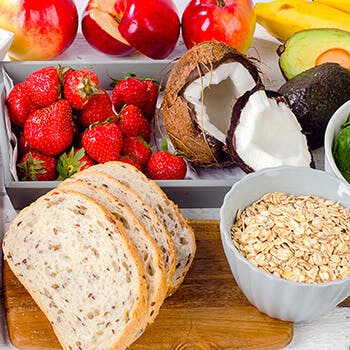
Eating a balanced diet, rich in fiber, is one of the most effective lifestyle changes you can make for your hemorrhoids. Why? A balanced, high-fiber diet, together with plenty of fluids, softens the stool and increases its bulk, which will help you avoid the straining that can cause hemorrhoids or worsen symptoms from existing hemorrhoids.
Always check with your healthcare provider before starting any diet or exercise plan.
How Fiber Helps Prevent Constipation
A balanced diet with plenty of fiber and water softens stools and make them easier to pass. This reduces pressure on hemorrhoids. If you eat a high-fiber diet you will be less likely to become constipated. The most common causes of constipation are a diet low in fiber and high in dairy.
WHAT YOU CAN DO
Getting Started
Fiber is classified into two categories: soluble fiber, which dissolves in water, and insoluble fiber, which doesn’t. Both promote movement through your digestive system. You can add more fiber to your diet from food, a fiber supplement or both. Fiber is most readily found in whole grains, vegetables, beans, legumes, nuts and fruits. See the High Fiber Food Chart. Your doctor may suggest taking a bulk softener or a fiber supplement.
When increasing your dietary fiber, it is important to drink lots of water and start slowly. Experts recommend eight 8-ounce glasses of water a day. Caffeinated and alcoholic beverages are dehydrating, so you might want to cut back on them.
To allow your body time to adjust, introduce fiber into your diet gradually to avoid suffering from increased gas. Wheat bran may be a good fiber supplement option because it causes less gas than other fiber-rich foods.
To further help you achieve digestive balance, you might want to include foods that are high in good bacteria (also called “probiotics”). Yogurt, kefir or supplements are a convenient source of "good bacteria" to help maintain digestive balance.**
**These statements have not been evaluated by the U.S. Food and Drug Administration (FDA). These products are not intended to diagnose, treat, cure or prevent any disease.
7 Ways to Stock up on Fiber
Make every meal count when it comes to your daily fiber intake with these simple ideas. Remember to start slowly and add fiber gradually and drink eight 8-ounces of water a day.
Start everyday with a whole-grain cereal
When shopping, look for cereals that use "whole" in the description. Stone-ground, multigrain and cracked wheat products all have less fiber than whole wheat products. Check out the fiber content in the nutritional box on the package. Look for at least 5 grams of fiber per serving in your cereals. Serve with a banana to add 3 more grams of fiber to your morning.
Bulk up on beans
Eat more beans—they’re loaded with fiber. Most cooked beans will provide more than half of the recommended daily fiber intake. So toss them into salads, mash them into dips, stir into soups or add them to pasta dishes.
More brown food, less white
Brown rice, whole-wheat bread, and whole-grain pastas are essential parts of the high-fiber diet.
Better baking
Substitute whole-grain flour for at least half, if not all of the white flour called for in recipes. Since whole-grain flour is heavier than white, you will also need to increase the amount of baking powder in the recipe by one teaspoon for every three cups of whole-grain flour.
An apple a day doesn’t just keep the doctor away
Apples contain pectin, a soluble fiber that digests slowly and makes you feel full.
Happy trail mix
Mix together nuts—like almonds or cashews—with raisins, sunflower seeds, popcorn or whole-wheat pretzels. Stash it in your car or desk for a healthy, fiber-rich snack between meals.
Stealthy fiber cooking
Swap instant oatmeal for breadcrumbs in dishes like meatloaf or toss ground flaxseed into your fruit -filled smoothie or yogurt.
High-Fiber Recipes
Here are some delicious recipes that have at least 5 grams of fiber.
Dining Out: 8 Tips to Help Sneak Fiber Into Your Diet
Think ahead and plan on where you will eat. Take time to look over the menu and start by reading the side dishes. Look for fiber-rich options, such as brown rice, baked potatoes or steamed vegetables. Read the description of every dish, remembering that you can always substitute from the healthier side dishes to make your meal work with your dietary needs. If you’re traveling, see more suggestions for Treating Flare-Ups While Away From Home.
- For breakfast, pick whole-grain pancakes and waffles with fresh berries or cereal like oatmeal or raisin bran—fiber-rich choices to start your mornings.
- Replace white bread with whole wheat or rye when ordering a sandwich.
- Choose baked potatoes with their fiber-rich skins over French fries or chips. You’ll be adding 4 to 5 grams of fiber to your meal.
- Look for a pasta dish that’s filled with vegetables and ask for it to be served on whole-wheat pasta.
- When dining at a Mexican-style restaurant, skip the rice and double up on the beans.
- Not all rice is so nice. Brown rice has four times the fiber of white rice, four grams of fiber per one cup serving.
- For a side dish, ask for steamed vegetables; and, if given the choice, select broccoli, cauliflower or Brussels sprouts, which are particularly high in fiber.
- For dessert, choose fresh berries for their fiber content and their ability to satisfy your sweet tooth.